Sound Foam, Renew Topcoat
- Foam remains attached and secure.
- Surface protection is worn or weathered.
- Moisture checks do not show saturated areas.
- Exposed spots can receive suitable preparation.
- Solar supports and walkways can be coordinated.
Commercial Roof Coating
Does The Foam Need Repair Or A Protective Recoat?
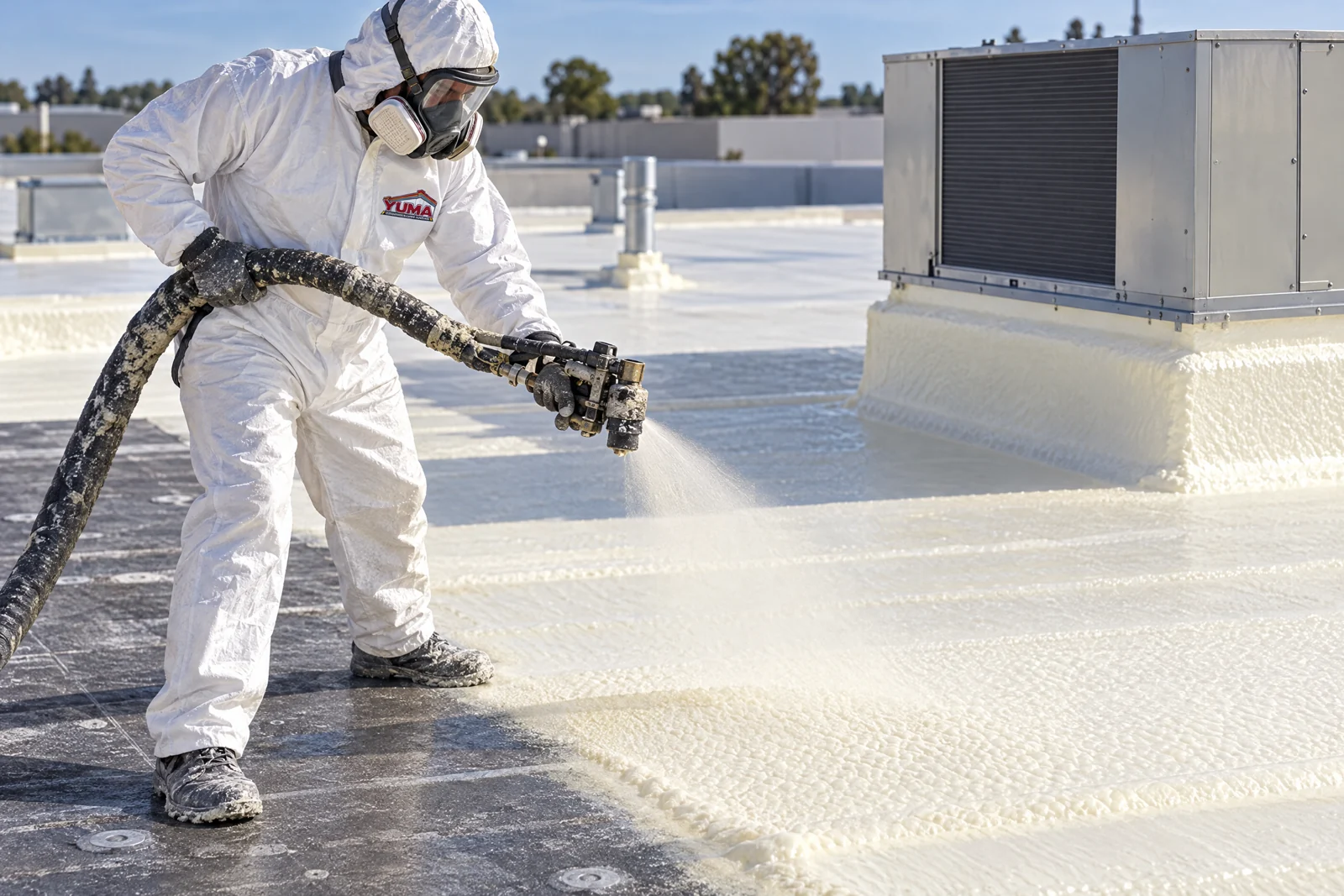
We coat suitable commercial foam roofs in Yuma, AZ. Yuma spray foam roofing starts with checking moisture, repairs, access, and topcoat needs.
Inspect The Roof First
Moisture Changes The Scope
Renew Sound Surface Protection
Coordinate Equipment And Walkways
A foam roof may be a coating candidate when the existing assembly is secure and sufficiently dry. The inspection separates renewal from repair, additional foam, removal, or another system.
Spray foam roofing decisions depend on what remains below and around the protective coating. These visible conditions determine where preparation, repair, or a different scope belongs.
A weathered topcoat does not automatically mean the foam must be removed. We check the protection, adhesion, exposed areas, and underlying foam before deciding whether a compatible renewal is appropriate.
Exposed or damaged foam needs attention before a new protective layer. The inspection looks for open areas and places where preparation or localized foam repair is needed rather than coating over the problem.
Heat does not prove that foam or insulation below the surface is dry. Moisture testing may be needed, and saturated material generally needs removal and replacement before coating can be considered.
Pipes, equipment bases, drains, and roof edges need their own detail work. Punctures or damaged foam around these areas may require repair, sealant, reinforcement, or another preparation step.
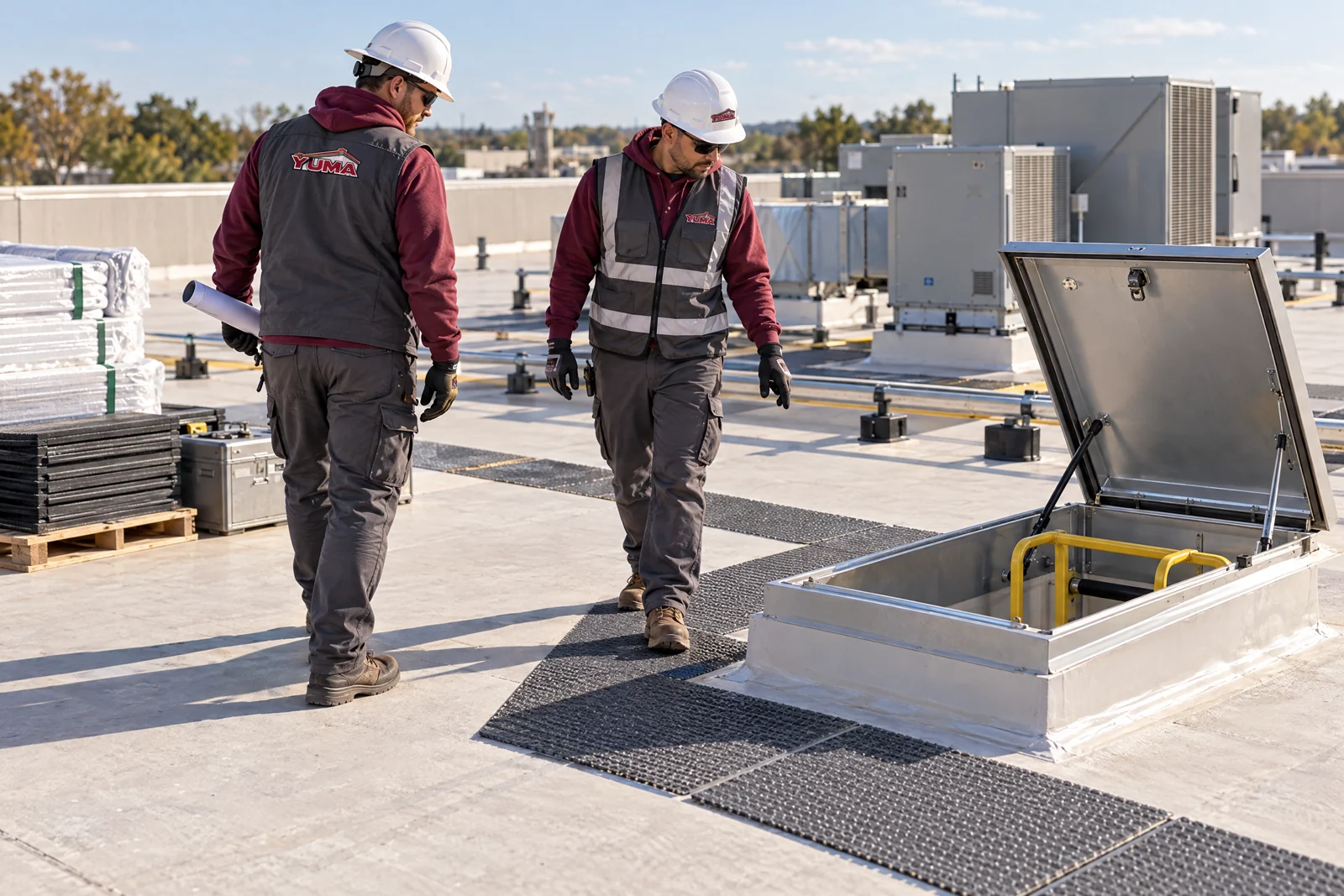
Tell us about solar panels, supports, service paths, and future maintenance before work is scheduled. Supports and protective walkways can affect preparation, access, and how the topcoat is renewed.
Commercial roof coating options for Yuma depend on the foam assembly, moisture findings, repair needs, and future roof use. More foam is not automatically added everywhere.
| Option | When It Fits | Work Before A Topcoat | Boundary |
|---|---|---|---|
| Renew Sound Foam | Foam is secure; protection is worn. | Clean, prepare, detail, then apply compatible topcoat. | No wet or failing base. |
| Repair Foam, Then Recoat | Damage is limited to defined areas. | Repair exposed or punctured foam; prepare details. | Do not cover unresolved damage. |
| Add Foam In Defined Areas | Existing foam needs localized build-up. | Confirm a dry base and placement before coating. | Not a blanket layer everywhere. |
| Remove Or Use Another System | Wet, failing, or insecure materials remain. | Address damaged layers before choosing restoration. | Damaged decking may change scope. |
Coating a commercial foam roof has practical benefits only when the existing assembly is suitable and preparation is complete. The roof condition controls the outcome.
When the foam and supporting layers remain sound, a compatible recoat can keep usable roofing in place rather than removing and rebuilding qualifying areas. The condition check decides whether that opportunity is real.
A restoration that keeps suitable foam in place can mean less tear-off, fewer demolition tasks, and less debris handling around an occupied commercial building. Cleaning, repairs, staging, and access controls still shape the work.
Keeping sound foam and supporting roofing on the building can reduce the amount of usable material discarded. The amount avoided depends on how much roof qualifies; coating never means zero waste.
A compatible protective recoat may leave a future renewal option when the surface remains sound and maintained. Each later application still needs inspection, preparation, and confirmation that the foam is a suitable base.
The work sequence follows the foam’s condition and the building’s operating needs. We do not select a product first and then force the roof to fit it.
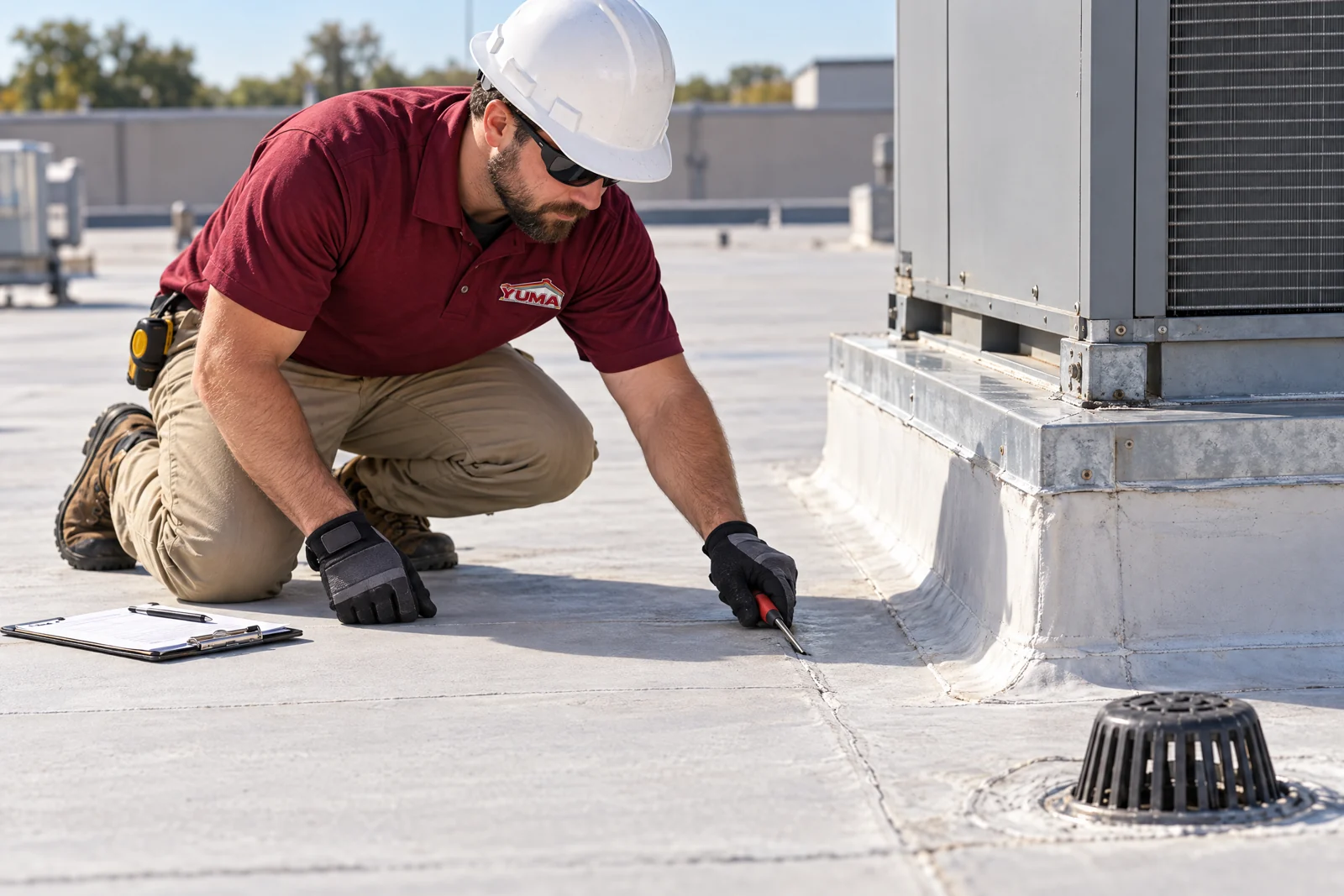
We identify the foam assembly, inspect the protective coating, look at penetrations and equipment bases, and check for exposed, loose, soft, or damaged areas. Moisture testing may be needed where the layers are uncertain.
Findings determine whether the roof needs a renewed topcoat, localized foam repair, additional foam in defined areas, removal, or another restoration method. Wet materials and damaged decking are not covered over to simplify the scope.
We account for solar plans, support locations, protective walkways, HVAC access, roof edges, drains, and other equipment details. Facility staff can identify areas that must remain accessible or operating during the work.
The roof is cleaned and prepared, required repairs and detail work are completed, and the selected system is applied under suitable conditions. Dust, heat, wind, and rain can affect the work window.
Application is checked against the selected system’s coverage and thickness requirements. The roof can look covered before it has enough material, so appearance alone is not the completion check.
No. If the existing foam is sound, the work may mainly involve repairs and renewing its protective coating. Wet, exposed, or damaged foam needs separate attention before a topcoat decision.
We assess those areas first to determine whether additional foam is needed, where it belongs, and whether another restoration method is more appropriate.
Yes. Share solar plans before coating work is scheduled. Roof preparation, panel supports, coating, and installation need coordination, and future roof care needs a practical access plan.
On foam roofs, support locations and protective walkways are especially important because later work can affect the renewed surface.
We inspect whether the foam remains secure, dry, and attached, then look for exposed, soft, punctured, or deteriorated areas around the roof and its details. The protective coating’s condition matters, but a clean-looking surface does not prove the layers below are sound. Moisture findings and damaged decking can change the restoration decision.
No. Wet foam or saturated material should not be concealed beneath a new protective layer. A dry roof surface does not prove the layers below are dry, so moisture testing may be needed. Where wet materials or damaged decking are found, removal and replacement or another repair scope may be required before coating is considered.
Preparation around rooftop HVAC may include checking equipment bases, pipes, penetrations, drains, edges, air intakes, and damaged foam. These connections may need sealant, reinforcement, or other detail work instead of the same treatment used across the open roof. Tell the facility team which equipment must remain running before access and work areas are set.
Often, yes, when inspection confirms that the existing foam and supporting roof remain suitable. A renewal may involve cleaning, preparation, localized repairs, and a compatible topcoat rather than removing all foam. That approach does not apply to widespread wet foam, failing materials, damaged decking, or a surface that cannot provide a secure base.
Tell us about the foam roof, moisture concerns, damaged areas, equipment access, and solar plans so the restoration decision starts with the actual building.