Silicone can be considered when the existing commercial roof is a sound, compatible base. The inspection decides what stays, what gets repaired, and whether another system fits better.
Fits After Inspection
Existing roofing is attached and generally sound.
Low-slope areas need a compatible restoration layer.
Moisture testing shows the substrate is suitable.
Drains and low areas have a workable water path.
Seams, penetrations, and patches can be prepared.
Needs Repair Or Another System First
Widespread wet insulation remains below the surface.
Decking is damaged or the roof is coming apart.
Loose gravel prevents standard coating application.
Low spots need drainage work, not extra coating.
Prior materials are incompatible without required preparation.
Roof Conditions That Change The Scope
Silicone roof restoration depends on what is below and around the open roof. These conditions change preparation, repair boundaries, access, and the coating decision.
Ponding And Low Spots
Silicone can resist standing water on a suitable roof, but it is not a leveling material. We check where water collects and why it stays there. Drainage corrections or other roofing work may be needed before coating.
Wet Insulation
A dry surface does not prove the layers below are dry. Moisture testing may be needed, and saturated insulation generally needs removal and replacement before a coating can be considered.
Old Coatings And Patches
Existing patches need more than a quick glance. Loose repairs require attention, and some asphalt-based surfaces may need a bleed-blocking primer beneath a white coating.
Seams, Penetrations, And Drains
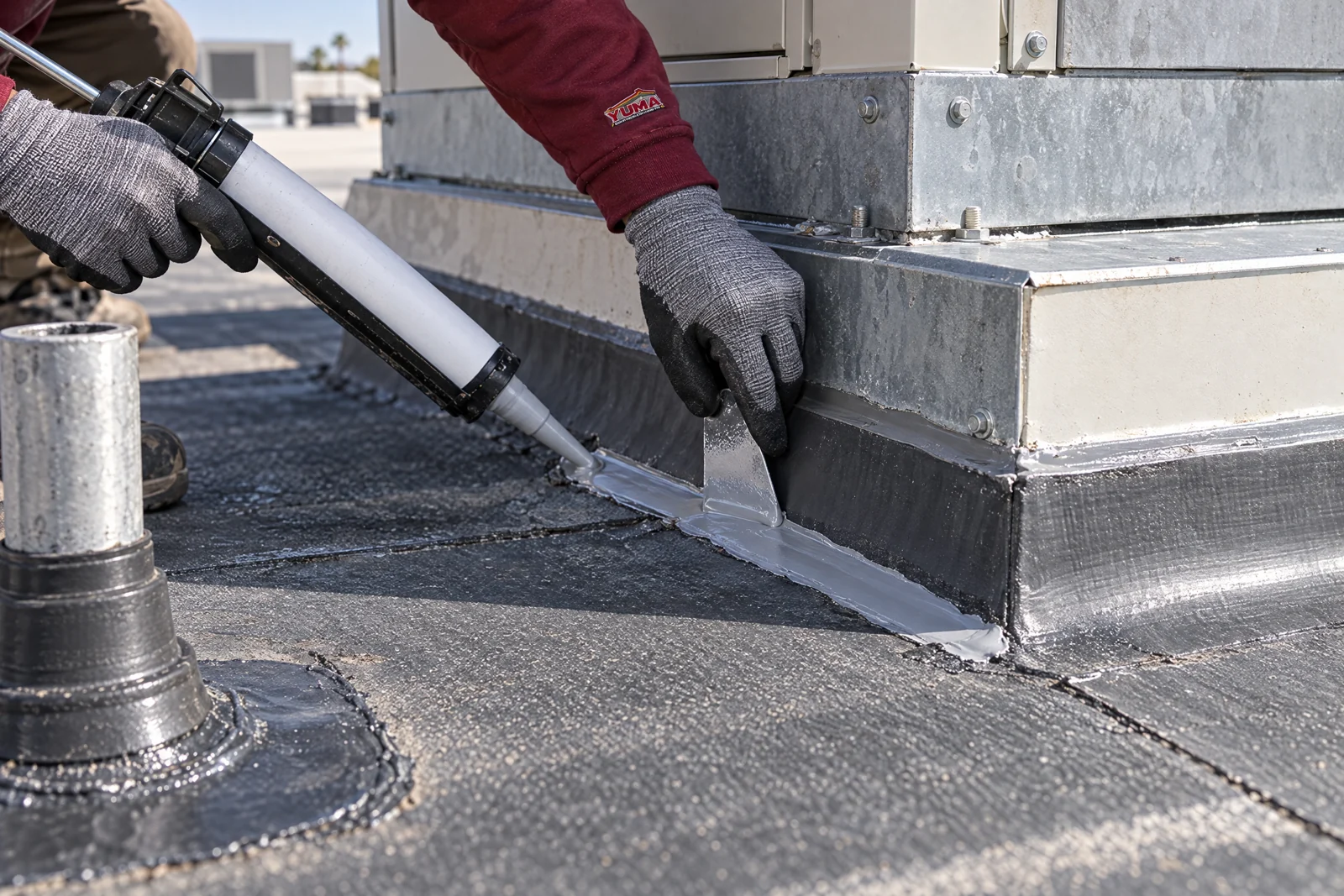
Connections around pipes, equipment bases, drains, roof edges, and seams may need sealant, reinforcement, or other detail work before the open roof receives silicone.
Occupied Buildings And Equipment
Roof access, HVAC intakes, deliveries, and restricted areas affect the work sequence. Tell the property team what must remain available before coating work is scheduled.
Commercial Roof Coating Options for Yuma
Silicone is one option among the approved commercial roof systems. The existing material, damage, drainage, and preparation needs determine which service deserves attention.
System
May Fit
Important Limit
Silicone
Suitable low-slope roof where standing water matters
Does not level low spots or repair damaged layers
Acrylic
Compatible roof with good drainage and suitable drying conditions
Water can still collect in low areas
Metal
Repairable metal panels, seams, fasteners, and rust areas
Loose panels and damaged sheet metal need repair first
Spray Foam
Sound foam needing repairs and protective coating renewal
Wet, exposed, or damaged foam needs separate attention
Shingle
Only after a narrow compatibility and condition review
Repair or replacement may be more appropriate
Benefits of Coating Your Roof
Coating is useful when it protects a roof that is still a suitable base. Each benefit depends on inspection, repair, preparation, and the selected system.
Retain Roofing And Cost Opportunity
When inspection finds sound, dry roofing worth keeping, silicone restoration can retain it instead of paying for full removal and replacement. We separate repairable sections from wet, loose, or failing materials before treating retention as a cost opportunity.
Reduce Tear-Off Disruption
Keeping suitable roofing in place may reduce tear-off, debris handling, and interruption compared with rebuilding the roof. Cleaning, repairs, access control, and equipment protection still shape the work around an occupied commercial building.
Keep Usable Roofing Out Of Waste
A sound existing assembly that remains under a coating avoids discarding usable roofing materials. The amount retained depends on condition and scope; coating does not promise zero waste when damaged layers must be removed.
Preserve A Compatible Recoat Path
A maintained silicone coating may be renewed with a compatible product when its condition allows. Future recoating is an option to assess after inspection, not a promise that replacement will never be needed.
Silicone Roof Coating Process
Silicone roof coating follows a defined sequence: inspect the assembly, prepare repairs and details, apply the selected system, then protect it through maintenance access.
01
Inspect Your Roof
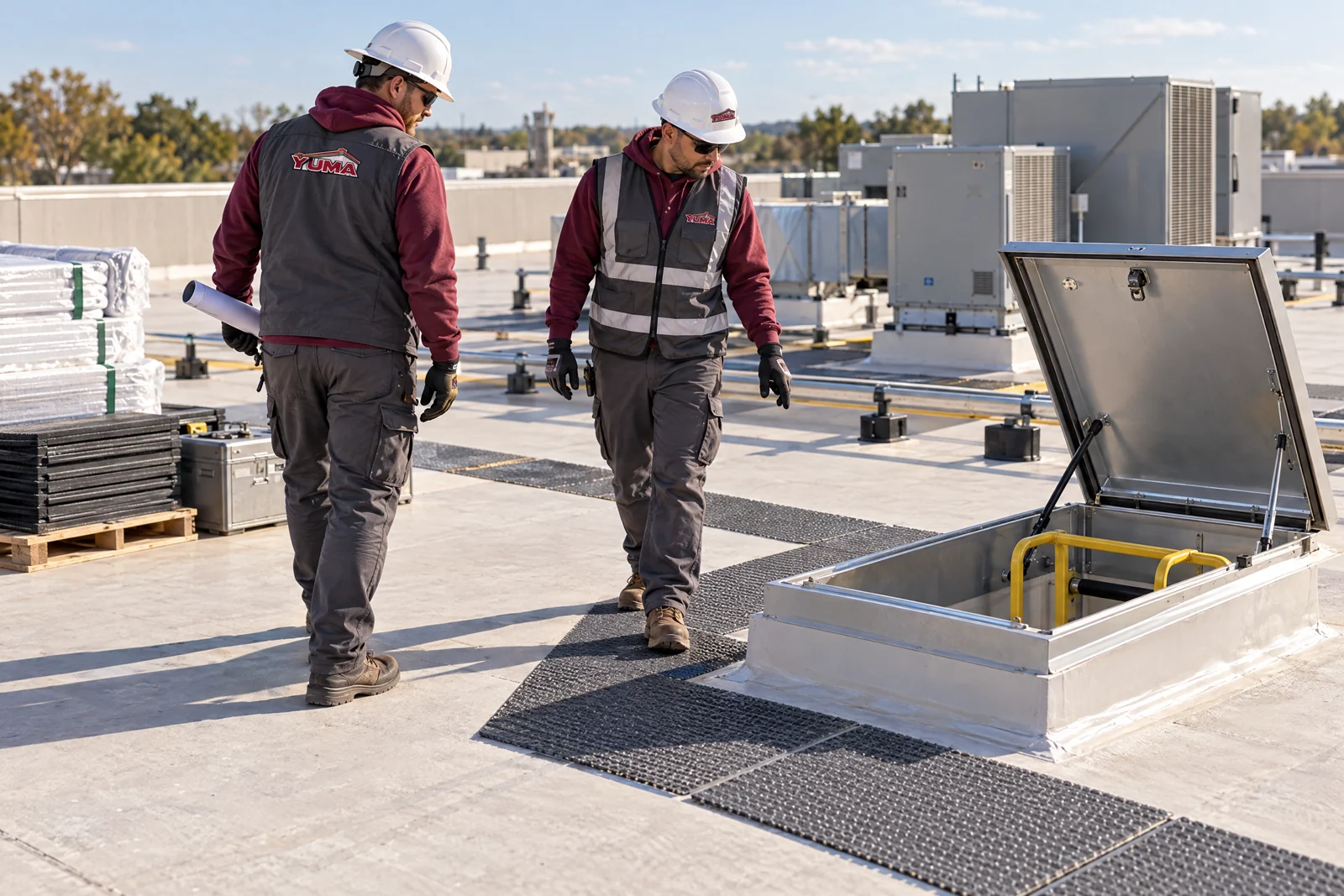
We identify the roofing material, check seams, penetrations, drains, patches, and rooftop conditions, then look for moisture and damage that coating cannot correct.
Confirm the existing roof assembly.
Trace leaks and water collection.
Separate sound areas from repair areas.
02
Choose The Coating System
Silicone is considered alongside the roof condition, drainage, prior materials, and preparation requirements. We do not select a product first and then try to make the roof fit it.
Check compatibility with old coatings.
Identify primers and detail materials.
Compare silicone with other services.
03
Prepare The Roof
We address leaks, loose materials, patches, seams, penetrations, drains, and surface contamination before coating. Moisture findings and compatibility requirements determine which areas need repair, primer, reinforcement, or another roofing step.
Clean the surface and remove loose material.
Complete required repairs and detail work.
Prepare the roof for the selected system.
04
Apply And Maintain The Coating
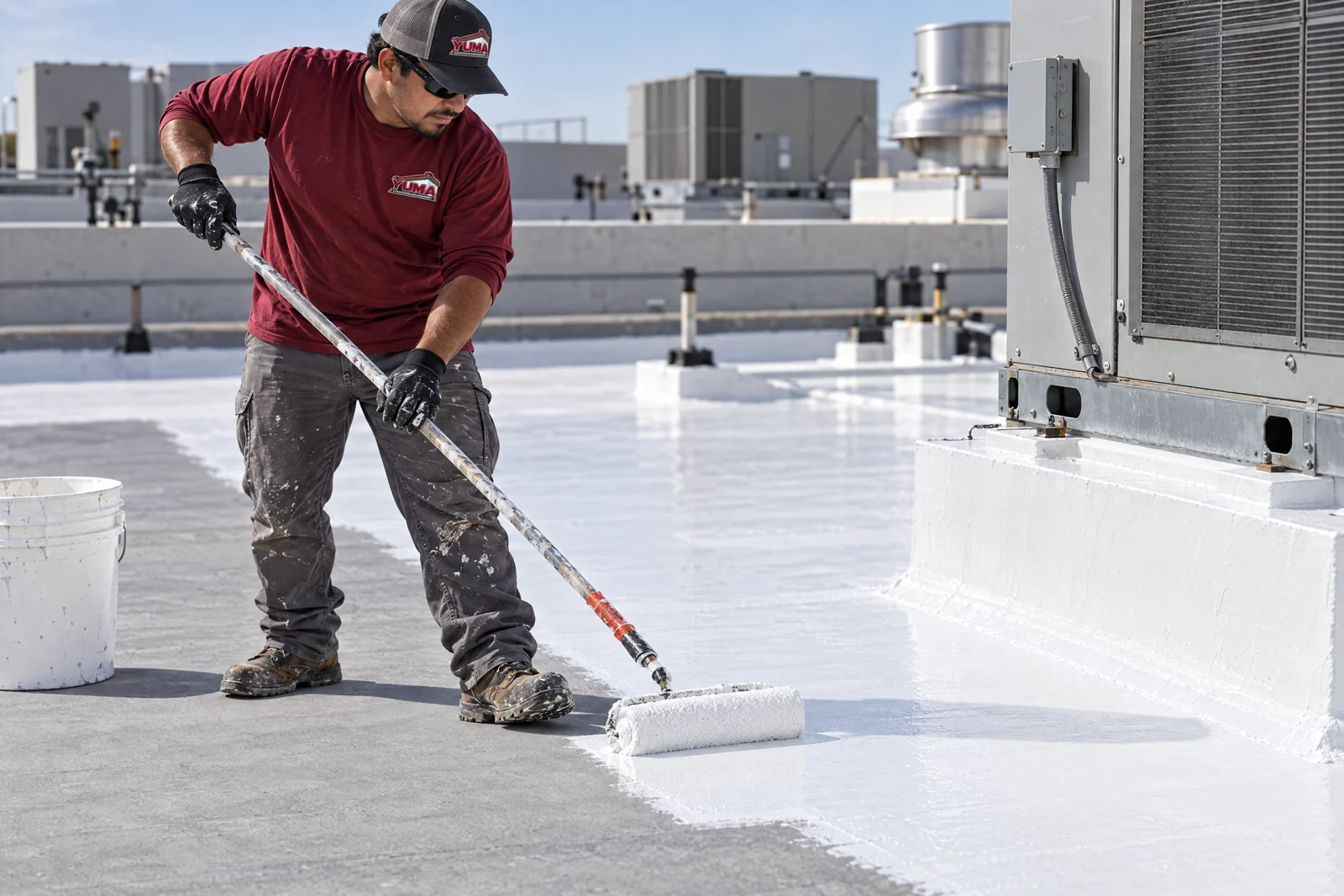
We apply the selected system to its coverage and thickness requirements, then account for cure time, equipment access, and future inspection. Maintenance staff should use approved repair materials for any later damage.
The answers below address silicone suitability, ponding, repairs, maintenance, access, and compatibility on commercial roofs.
What Would Make Silicone Worth Considering?
Silicone may be worth considering when a suitable commercial roof needs protection from sunlight and standing water. The roof still needs inspection first.
We check drainage, moisture, the existing material, and the condition below the surface because water resistance does not make a damaged roof ready for coating.
Will a Thick Silicone Coating Fill the Low Spots Where Water Collects?
No. A standard silicone coating is not a roof-leveling material. Low areas may need drainage corrections or other roofing work before the coating decision.
We check where water collects and why it stays there. Applying more coating does not replace a plan for getting water off the roof.
Can Our Maintenance Crew Patch a Small Cut With Roof Sealant?
They should check the coating type and approved repair method first. Repair products are not interchangeable, particularly on silicone-coated roofs.
The damaged area also needs proper preparation. Share its location and any product information before applying an unknown sealant to the roof.
Can Silicone Be Applied Over An Existing Roof Coating?
It can be considered only after the existing coating is checked for attachment, condition, and compatibility. Loose or failed material needs attention before a new layer.
Some surfaces require special preparation or a primer. The roof should not be coated simply because the old surface looks continuous from above.
What Must Be Repaired Before Silicone Coating?
Leaks, loose materials, damaged seams, failed patches, and compromised penetrations need attention before the main coating goes on. Widespread wet insulation or damaged decking may make restoration a poor choice.
The coating protects a properly prepared roof; it does not hold loose panels together or rebuild layers that are coming apart.
How Does Ponding Change Silicone Roof-Coating Preparation?
Ponding makes drainage part of the coating decision. Silicone may resist standing water on a suitable roof, but it does not fill low spots or correct a blocked path to the drain.
We identify the source of collection and determine whether drainage work or another roofing step is needed before application.
How Should Rooftop Equipment Access Be Planned During Coating?
Equipment access should be planned before the roof is prepared. Tell us where HVAC units, air intakes, service paths, and restricted areas are located.
The work sequence should account for maintenance access, deliveries, cure time, and any temporary changes. Do not shut down equipment or block intakes without an agreed plan.
Get A Silicone Roof Coating Estimate
Tell us about the commercial roof, its drainage, current coating, access limits, and visible damage. We will start with the roof condition and coating fit.